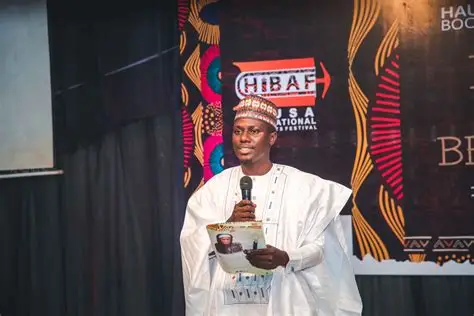
Sada Malumfashi Biography: Career, Books and Open Arts
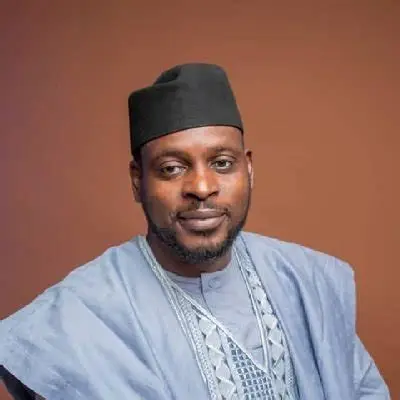
Sada Malumfashi is a Nigerian writer, journalist, cultural curator and researcher whose work explores literature, identity, gender, politics and the cultural history of Northern Nigeria. He founded Open Arts, a literary and arts organisation that creates opportunities for writers, artists and cultural practitioners, particularly those working in indigenous languages. Through journalism, fiction, cultural research and festival curation, he has helped bring contemporary Hausa literature and Northern Nigerian cultural experiences to wider audiences.
Based in Kaduna, Malumfashi works across several creative forms, including fiction, essays, poetry, translation and documentary filmmaking. His career reflects a commitment to examining social questions through storytelling while creating platforms for African writers and artists to share their work.
Early Life and Educational Background
Sada Malumfashi grew up in Northern Nigeria, where Hausa-language books formed an important part of his reading experience. He has discussed reading Hausa literature from an early age, including works by influential writers such as Abubakar Imam. This early exposure helped shape his understanding of storytelling and encouraged his interest in writing.
Although he became known for literature and journalism, Malumfashi also pursued a professional education in pharmacy. He studied at Ahmadu Bello University in Zaria and earned a Bachelor of Pharmacy degree in 2014. He later practised pharmacy before concentrating more fully on writing, journalism and cultural work.
His scientific training remains part of his broader experience and has influenced aspects of his storytelling. His professional journey demonstrates that literary careers can develop through different educational backgrounds, particularly when writers draw on varied experiences to understand people and society.
Career as a Writer and Journalist
Malumfashi writes fiction, creative nonfiction, essays and cultural criticism. His stories have appeared in literary publications including Lolwe, Bakwa Magazine, Transition Magazine and New Orleans Review. These platforms have helped introduce his fiction to readers interested in contemporary African writing.
His nonfiction often examines issues that receive limited attention in mainstream discussions of Northern Nigeria. His work explores gender, religion, cultural identity, politics and the experiences of people whose stories are frequently overlooked. He has also written about the representation of women and queer lives in Hausa literature, examining how social expectations, religious interpretations and censorship shape creative expression.
As a journalist, Malumfashi has contributed to publications including Al Jazeera English, The Africa Report, This Is Africa, Music in Africa and The Republic. His reporting has covered subjects such as gender-based violence, feminism, political developments, music and the social effects of economic challenges.
He was among the journalists who reported on the #ArewaMeToo movement, which brought public attention to sexual harassment and violence against women in Northern Nigeria. His reporting helped connect local experiences with wider discussions about accountability, women's rights and the role of journalism in documenting social problems.
Founding Open Arts Development Foundation
One of Malumfashi's major contributions is the establishment of Open Arts, a literary and arts collective that supports creative practice and cultural exchange. The organisation provides a platform for writers, artists and other cultural practitioners to develop their work and reach audiences.
Open Arts focuses on expanding access to literary and artistic opportunities, including for people working in indigenous languages. Its activities recognise that African cultural production extends beyond English-language writing and that local languages carry histories, ideas and artistic traditions worthy of wider attention.
Through the organisation, Malumfashi has helped curate festivals, exhibitions, literary gatherings and other cultural programmes. These events create spaces where writers, musicians, visual artists, filmmakers and readers can engage with contemporary African culture.
His work with Open Arts reflects a broader concern with who gets to tell stories about Northern Nigeria and how those stories reach wider audiences. By supporting local creative practitioners, the organisation contributes to the preservation and development of cultural expression.
Hausa International Book and Arts Festival
Malumfashi is the lead curator of the Hausa International Book and Arts Festival, commonly known as HIBAF. The festival brings together writers, poets, artists, musicians, filmmakers and theatre practitioners to celebrate creative work connected to the Hausa language and wider African cultural experiences.
HIBAF offers a platform for contemporary Hausa literature while encouraging collaboration across artistic disciplines. Its programme can connect traditional storytelling with modern fiction, poetry, performance, film and visual art.
The festival also responds to the challenge of ensuring that indigenous-language literature remains visible in an increasingly globalised publishing environment. By bringing writers and audiences together, it helps promote Hausa as a language capable of expressing contemporary concerns and supporting innovative artistic work.
Malumfashi's role as curator involves connecting participants, shaping programmes and creating opportunities for cultural exchange. Through this work, he has helped position Hausa-language arts within broader conversations about African literature and cultural identity.
Cultural Research and International Fellowships
Malumfashi's interests extend beyond journalism and fiction into cultural research and international collaboration. His work has explored Hausa feminist writing, cultural identity and the ways literature represents communities across Nigeria and its diaspora.
He has produced video documentaries examining the identities and experiences of Hausa cultural practitioners living in different parts of the world. These projects reflect his interest in how migration, language and changing social environments influence cultural expression.
His professional development has included several international fellowships and residencies. He was a fellow of Reporters Without Borders Germany in 2019 and participated in the Arts Omi Writers Residency in the United States that year. He also took part in the Goethe-Institut and Sylt Foundation African Residency in Germany in 2018.
In 2022, he participated in an arts-curator residency at Al-Balad in Jeddah, Saudi Arabia. He is also an alumnus of the European Union's Global Cultural Relations Programme, through which he co-founded RIMA, a platform intended to connect emerging creative practitioners from the Global South with international opportunities.
These experiences have broadened his professional networks and provided opportunities to exchange ideas with writers, curators and cultural organisations beyond Nigeria.
Literary Style and Social Concerns
A recurring feature of Malumfashi's work is his interest in the relationship between culture and power. His writing often examines how social norms, political structures and historical experiences shape people's lives. Rather than presenting Northern Nigeria as a single, uniform society, he explores its varied experiences, tensions and creative traditions.
His work on Hausa feminist writing draws attention to women authors whose contributions have not always received sufficient recognition. By documenting their work and examining the conditions under which they write, he contributes to a wider effort to preserve literary history and broaden the understanding of Hausa literature.
His journalism also addresses difficult social subjects, including sexual violence, gender inequality and the representation of marginalised communities. Through reporting and cultural criticism, he encourages readers to engage with issues that can be overlooked or treated as taboo.
Frequently Asked Questions
Who is Sada Malumfashi?
Sada Malumfashi is a Nigerian writer, journalist, cultural curator and researcher. He is the founder of Open Arts and the lead curator of the Hausa International Book and Arts Festival.
What is Open Arts Development Foundation?
Open Arts is a literary and arts organisation that supports writers, artists and cultural practitioners. It promotes creative expression, cultural exchange and opportunities for African-language literature.
What is the Hausa International Book and Arts Festival?
HIBAF is a cultural festival that showcases Hausa-language literature and other artistic forms, including poetry, music, film, theatre and visual art.
What subjects does Sada Malumfashi write about?
His work covers literature, cultural identity, gender, feminism, politics, religion, Hausa writing and the experiences of communities in Northern Nigeria.
Where did Sada Malumfashi study?
He studied pharmacy at Ahmadu Bello University in Zaria and earned a Bachelor of Pharmacy degree in 2014.
Conclusion
Sada Malumfashi has developed a career that connects journalism, literature, cultural research and arts organisation. Through his writing, he explores social questions and the cultural experiences of Northern Nigerians, while his work with Open Arts creates opportunities for writers and artists to share their work.
His leadership of the Hausa International Book and Arts Festival also supports the visibility of indigenous-language literature and contemporary Hausa culture. By combining creative practice with cultural advocacy, Malumfashi contributes to a broader understanding of Northern Nigeria's literary traditions and its place in contemporary African arts.