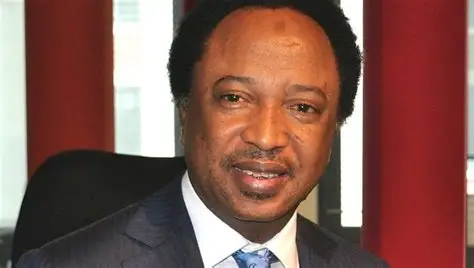
Shehu Sani Biography Age, Education, Activism and Political Career
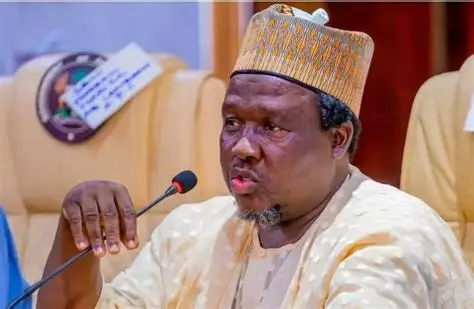
Shehu Sani is a Nigerian politician, human rights activist, author and social commentator known for his opposition to military rule and his advocacy for democracy and social justice. He represented Kaduna Central Senatorial District in the Senate from 2015 to 2019 and remains an active voice in Nigeria's political debates.
Sani recently attracted attention for his position on presidential power rotation ahead of the 2027 general elections. In October 2026, he argued that Northern politicians should allow the South to complete its expected eight-year presidential turn before seeking the presidency for the North in 2031.
Early Life and Education
Shehu Sani was born on December 29, 1967, in Tudun Wada, Kaduna State, Nigeria. He grew up in Kaduna, where his early experiences helped shape his interest in politics, social justice and public affairs.
He attended primary school in Kaduna before proceeding to Government Day Secondary School in Kagara, Niger State. He later studied at Kaduna Polytechnic, where he pursued Agricultural Engineering and obtained a Higher National Diploma.
His time as a student exposed him to student unionism and political activism. He became involved in campaigns for democracy and civil rights while Nigeria remained under military rule.
Shehu Sani's Human Rights Activism
Sani became known nationally through his opposition to military dictatorship and his campaigns for democratic government. He participated in pro-democracy movements and worked with activists who challenged political repression during the military era.
He was associated with the Campaign for Democracy and later became a leading figure in the Civil Rights Congress of Nigeria. Through these organisations, he advocated human rights, accountability, freedom of expression and justice for people facing abuse of power.
His activism came at considerable personal cost. Security authorities detained him during the military era, and he faced imprisonment under the government of General Sani Abacha. His experiences became a significant part of his public identity and later informed his political commentary.
Shehu Sani's Political Career
After Nigeria returned to democratic government in 1999, Sani continued his involvement in civil society and gradually moved into electoral politics. He remained active in debates about governance, poverty, corruption and the rights of ordinary Nigerians.
In 2015, he won election to the Senate representing Kaduna Central under the All Progressives Congress (APC). He served in the Eighth National Assembly from 2015 to 2019 and participated in legislative debates on national issues.
Sani later fell out with the APC leadership in Kaduna State and contested the 2019 Senate election under the Peoples Redemption Party (PRP). He lost his seat to Uba Sani, who later became governor of Kaduna State.
Although he left the Senate, Sani continued to comment on national politics, security, governance and the conduct of elected officials. He has also remained involved in political organising and public advocacy.
Shehu Sani as an Author and Social Commentator
Writing has been an important part of Sani's public life. His work explores military rule, political power, democracy, human rights and social inequality.
His books include The Dictatorship of the Military, which examines Nigeria's experience under military government. He has also written plays and other works that address political and social questions.
Sani frequently uses public statements, interviews and social media to comment on government policy and political developments. His style often combines political criticism with humour, proverbs and short observations about public life.
Shehu Sani on Power Rotation Ahead of 2027
In October 2026, Sani argued that the presidency should remain in the South through the 2027 election under Nigeria's informal power-rotation arrangement. He said the North should consider its presidential ambition in 2031, following former President Muhammadu Buhari's eight years in office from 2015 to 2023 and the South's expected turn under President Bola Tinubu.
Sani linked power rotation to national unity and political stability. He argued that allowing different regions a chance to produce the president could help sustain confidence in the Nigerian political system.
Power rotation is an informal political convention rather than a constitutional requirement. Political parties and politicians disagree over how it should affect candidate selection, and Sani's position forms part of that wider debate.
Shehu Sani's Age and Personal Life
Shehu Sani was born on December 29, 1967. He is 58 years old in 2026 and will turn 59 in December.
He keeps many details of his family life away from public attention. This biography focuses on his documented activism, writing and political career rather than unverified personal information.
Frequently Asked Questions
Who is Shehu Sani?
Shehu Sani is a Nigerian politician, author, human rights activist and social commentator who represented Kaduna Central in the Senate from 2015 to 2019.
How old is Shehu Sani?
He was born on December 29, 1967, and is 58 years old in 2026.
Where is Shehu Sani from?
He was born in Tudun Wada, Kaduna State, Nigeria.
What did Shehu Sani study?
He studied Agricultural Engineering at Kaduna Polytechnic and obtained a Higher National Diploma.
What is Shehu Sani known for?
He is known for his human rights activism, opposition to military rule, writing and service in the Nigerian Senate.
Was Shehu Sani a senator?
Yes. He represented Kaduna Central Senatorial District from 2015 to 2019.
What did Shehu Sani say about the 2027 presidency?
In October 2026, he argued that the North should allow the South to complete its expected eight-year presidential turn before seeking the presidency in 2031.
Conclusion
Shehu Sani's public career spans human rights activism, political writing, social commentary and elected office. His experiences under military rule helped shape his advocacy for democracy, accountability and civil liberties.
Although he left the Senate in 2019, he continues to participate in national political debates. His recent comments on presidential power rotation have placed him in the discussion about regional representation and political arrangements ahead of Nigeria's 2027 elections.