Sheikh Usman Mohammed Mai-Mota Biography: Islamic Scholar, Teacher and Community Builder
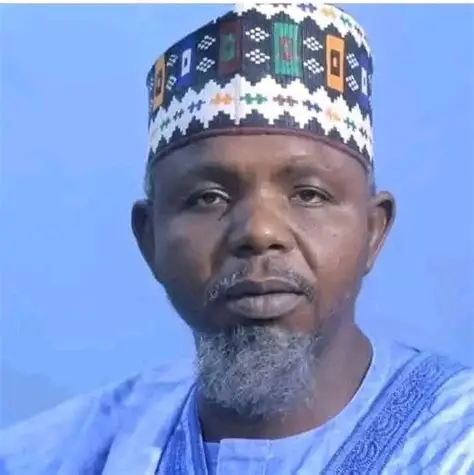
Sheikh Usman Mohammed Mai-Mota, also known as Gwalli, is a Northern Nigerian Islamic scholar and educator whose life has been devoted to teaching the Qur’an, Hadith, Arabic and other areas of Islamic knowledge. Based in Kaduna, he has spent more than five decades educating children and young people and has become known for the number of students who have passed through his school.
The recognition highlighted his long educational service and brought his work to wider attention across Northern Nigeria. It also highlighted the value of community based Islamic education in Northern Nigeria.
Who Is Sheikh Usman Mohammed Mai-Mota?
Sheikh Usman Mohammed Mai-Mota is an Islamic scholar and teacher associated with an Almajiri school in Hayin Dan Mani, a suburb of Kaduna metropolis. His public profile is built primarily around education, scholarship and community service.
For more than 50 years, he has taught young people religious and Arabic studies. His school has served students from different parts of Northern Nigeria, and some have later become teachers, scholars, lecturers and instructors themselves.
His career places him among the traditional educators who continue to play an important role in Northern Nigeria's religious and intellectual life.
Sheikh Usman's Educational Work
Education is at the centre of Sheikh Usman's life and public contribution. His teaching includes the Qur’an, Hadith, Tafsir, Arabic and other areas of Islamic studies.
He has said that more than 10,000 young people have passed through his teaching during his decades of service. Many of those students have continued into teaching and Islamic education, extending the impact of his work beyond his own school.
This makes his contribution important within Arewa, where Islamic scholarship and Qur’anic education have historically helped transmit knowledge, language and religious traditions between generations.
His Almajiri School in Kaduna
Sheikh Usman is associated with an Almajiri school located in Hayin Dan Mani, Kaduna. The centre provides Islamic education to children and young people and has served students from different Northern Nigerian communities.
Like many institutions caring for large numbers of students, the school has faced practical challenges, including accommodation, water and electricity. However, religious instruction remains central to its activities.
Sheikh Usman has also spoken about the welfare of his students and the issue of begging. He has stated that his students are not sent out to beg for alms. Instead, some may carry out small forms of legitimate work during permitted periods to earn money for basic personal needs.
His approach reflects an attempt to maintain traditional Islamic learning while responding to concerns surrounding the welfare of Almajiri children.
Training More Than 10,000 Young People
The number of students associated with Sheikh Usman's teaching is one of the most notable parts of his story. He has said that more than 10,000 youths have passed through his instruction over more than five decades.
The significance of this contribution goes beyond the number itself. Students who become teachers or scholars can pass their knowledge to others, creating a continuing chain of education.
Some former students have reportedly gone on to teach and lecture at Islamic centres, schools and other institutions. Through this process, Sheikh Usman's influence has extended beyond Kaduna into other parts of Northern Nigeria.
Sheikh Usman and Northern Nigerian Islamic Education
Islamic scholarship has a long and important history in Northern Nigeria. Qur’anic education, Arabic studies and religious scholarship have traditionally formed part of community life across the region.
Sheikh Usman's career fits within this tradition. His work demonstrates how individual scholars can preserve established forms of learning while continuing to educate new generations.
His story is therefore relevant to the wider history of Arewa education. It shows the role that community-based teachers can play in developing young people and preserving knowledge.
Recognition From a Christian Cleric
In August 2026, Sheikh Usman received public recognition from Pastor Dr. Yohanna Buru, a Christian cleric based in Kaduna.
Buru led a delegation of Christian clerics to Sheikh Usman's school and honoured him for more than five decades of Islamic education and the training of thousands of young people.
The recognition was notable because it came from outside the Muslim community. It represented an appreciation of educational service across religious boundaries and placed greater public attention on Sheikh Usman's contribution.
For the scholar, the honour was particularly significant. He described it as the first award he had received during his more than 50 years of teaching.
Sheikh Usman Mohammed Mai-Mota's Legacy
Sheikh Usman's legacy is closely connected to education. His decades of teaching have helped produce students who later became educators, scholars and instructors.
Teachers can have an influence that continues long after individual lessons end. When students become teachers themselves, the knowledge they received can reach many more people.
For this reason, Sheikh Usman's work represents more than personal achievement. It forms part of the continuing educational tradition of Northern Nigeria.
Read More: Ali Nuhu Biography: The Inspiring Rise of Kannywood’s King
Frequently Asked Questions
Who is Sheikh Usman Mohammed Mai-Mota?
Sheikh Usman Mohammed Mai-Mota, also known as Gwalli, is a Northern Nigerian Islamic scholar and educator known for more than five decades of teaching.
How many students has Sheikh Usman trained?
He has said that more than 10,000 young people have passed through his teaching during his long career.
Why was Sheikh Usman honoured in 2026?
He was honoured for dedicating more than five decades to Islamic education and training young people.
Who honoured Sheikh Usman Mohammed Mai-Mota?
Pastor Dr. Yohanna Buru led a delegation of Christian clerics that visited and honoured the Muslim scholar.
Conclusion
Sheikh Usman Mohammed Mai-Mota represents an important kind of Northern Nigerian public figure whose influence has been built through knowledge, teaching and community service. His decades of work in Islamic education have helped train thousands of young people and contributed to the continuing tradition of scholarship in Arewa.
His recognition in 2026 has given wider attention to his story and highlighted the value of educators whose contributions often happen quietly. Through his school, students and decades of teaching, Sheikh Usman has established a meaningful legacy in Northern Nigerian Islamic education.